


Women Shoes
The Fashion Color Defining Modern Style
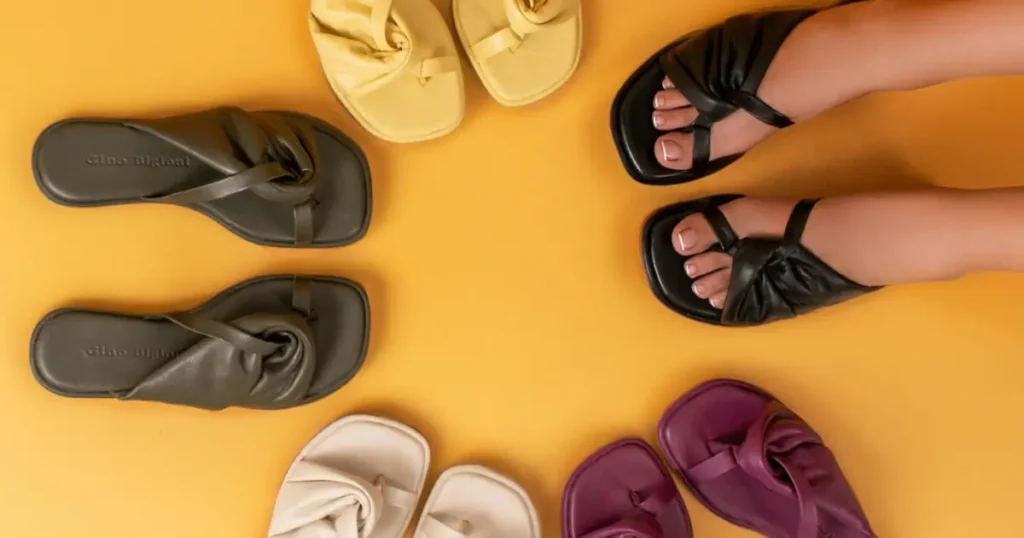
Fashion Color is the invisible language of style, communicating mood, identity, and personality before a single word is spoken. From bold statement hues to subtle neutrals, Fashion Color defines how modern style is perceived, shapes first impressions, and creates harmony between clothing, accessories, and personal expression. Understanding the psychology, cultural significance, and strategic application of Fashion Color is essential for anyone seeking to cultivate a wardrobe that is both visually compelling and authentically reflective of their individuality.
Fashion Color: Opening Insight into Style and Identity
Fashion Color is more than an aesthetic choice; it is a tool for storytelling. Each hue carries emotional weight and cultural resonance. Red may evoke confidence and energy, while pastels suggest calm and approachability. Fashion Color influences perception in professional, social, and personal contexts, subtly guiding how others respond to an individual’s presence.
Consider how a single color can transform a simple outfit. A black tailored blazer communicates authority, while a lavender blouse injects creativity and softness into the same ensemble. Fashion Color is intertwined with identity—it signals taste, mood, and intent, often before any verbal communication occurs. Recognizing this power allows modern style enthusiasts to curate looks with intentionality rather than accident.
1. Fashion Color: Core Concepts Explained Clearly
Mastering Fashion Color requires understanding principles, context, and practical application. The following core concepts guide strategic color use in modern style.
1.1. Harmonious Color Palettes
Harmony is the backbone of Fashion Color. Colors must complement rather than clash. Understanding color theory—primary, secondary, and tertiary relationships—is essential.
Example: Pairing navy with mustard creates balance and sophistication. Contrasting bright orange with deep blue makes a bold statement. Harmony ensures your choices feel purposeful, not chaotic.
1.2. Color Psychology in Fashion
Colors evoke emotion and influence perception. Fashion Color is not arbitrary; it can make someone appear approachable, assertive, creative, or dependable.
1.2.1. Psychological Effects of Key Colors
- Red: Confidence, energy, and passion
- Blue: Trust, calmness, professionalism
- Yellow: Creativity, optimism, friendliness
- Neutral tones: Timelessness, balance, subtlety
1.2.2 Contextual Application of Fashion Color
- Workplace: Neutral tones with a pop of accent color
- Social events: Bold or thematic colors to stand out
- Seasonal trends: Aligning color choices with current palettes
1.3. Fashion Color and Skin Tone
Skin tone affects how Fashion Color is perceived. Warm tones harmonize with earthy hues, while cool tones often shine with blues and jewel colors. Understanding undertones prevents clashes and enhances natural radiance.
2. Fashion Color: Strategies, Frameworks, or Actionable Steps
Applying Fashion Color strategically elevates modern style from basic to iconic. Below are actionable approaches:
2.1. The 60-30-10 Rule for Color Distribution
This classic framework ensures balanced outfits:
- 60% dominant color (main clothing piece)
- 30% secondary color (complementary garment or accessory)
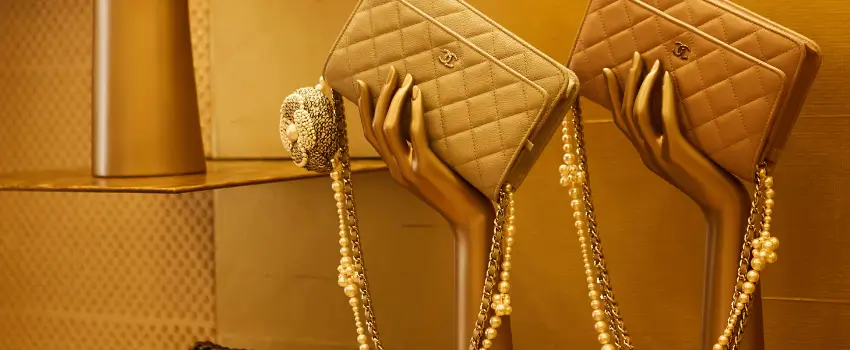
- 10% accent color (shoes, jewelry, bag)
2.2. Curating a Signature Palette
Developing a personal color palette simplifies daily styling:
- Identify colors that suit skin tone and personality
- Include versatile neutrals
- Add two-to-three signature colors for distinctiveness
- Rotate seasonally for freshness
2.3. Fashion Color and Layering
Layering with complementary shades adds depth:
- A monochrome outfit with varying textures
- Subtle gradient effects across garments
- Strategic use of contrasting accessories
3. Fashion Color: Common Mistakes and How to Avoid Them
Even experienced stylists make errors with Fashion Color. Awareness is key.
3.1. Mistake: Ignoring Proportions of Color
Wearing too many bold colors overwhelms the eye. Fashion Color should guide, not dominate.
Correction: Stick to the 60-30-10 rule or neutralize bold shades with calming tones.
3.2. Mistake: Following Trends Blindly
Trendy colors can enhance style but should not override personal suitability.
Correction: Integrate trends through accessories or accents while maintaining your signature palette.
3.3. Mistake: Overlooking Context
Certain colors may clash with professional or cultural norms.
Correction: Evaluate setting, audience, and occasion before finalizing Fashion Color choices.
4. Fashion Color: Case Studies and Real Applications
Example 1: Professional Impact
A young executive transitions into a leadership role, aware that her wardrobe must reflect both professionalism and personal style. By integrating deep navy suits and charcoal dresses as foundational pieces, she establishes a strong, authoritative presence suitable for boardrooms and high-level meetings. To infuse creativity and individuality, she strategically adds subtle burgundy accents through accessories such as silk scarves, leather belts, and elegant handbags. These carefully chosen Fashion Color elements soften the rigidity of her base colors while signaling confidence, attention to detail, and refined taste. Each outfit communicates a balanced message of authority and approachability, demonstrating how thoughtful use of Fashion Color can elevate one’s professional image and leave a lasting impression in modern corporate environments.
Example 2: Event Styling
A designer attends a gala in a neutral-toned gown with emerald accessories. The Fashion Color highlights elegance without overwhelming, demonstrating mastery of subtlety and statement.
Example 3: Capsule Wardrobe Application
A freelance consultant carefully curates a minimalist wardrobe using a foundation of gray, white, and deep green, creating a versatile base that works across seasons and occasions. Rather than relying on numerous pieces, she strategically uses Fashion Color to add personality and dimension. For example, scarves in warm amber or soft blush introduce subtle contrast without overpowering the neutral palette, while shoes in complementary tones like rich burgundy or muted navy provide visual interest and cohesion. By thoughtfully placing color accents, she ensures that every outfit feels intentional, balanced, and reflective of her professional yet creative identity, demonstrating how strategic Fashion Color choices can transform a simple capsule wardrobe into a dynamic, stylish, and highly functional collection.
5. Fashion Color: Advanced Insights and Future Predictions
Fashion Color in modern style is evolving. Sustainability influences color choices as eco-friendly dyes and materials become critical. Technology also plays a role; augmented reality apps now allow individuals to preview outfits digitally to refine Fashion Color harmony.
The future of Fashion Color emphasizes personalization over trends. Consumers are moving toward curated palettes that align with identity, sustainability, and versatility, making strategic color understanding more important than ever.
6. Fashion Color: Final Takeaway on Modern Elegance
Fashion Color is the silent architect of modern style. When applied thoughtfully, it communicates mood, professionalism, creativity, and confidence. Mastery of color transforms everyday ensembles into intentional expressions of identity. The art lies not in quantity, but in precision—where every shade, accent, and combination is chosen to amplify personal narrative and visual harmony.

 Fashion
 Watches
 Bags
Bags Shoes
Shoes Beauty
 Accessories